The Family Fire Drill Checklist: How to Prepare Your Home and Kids for the Unexpected
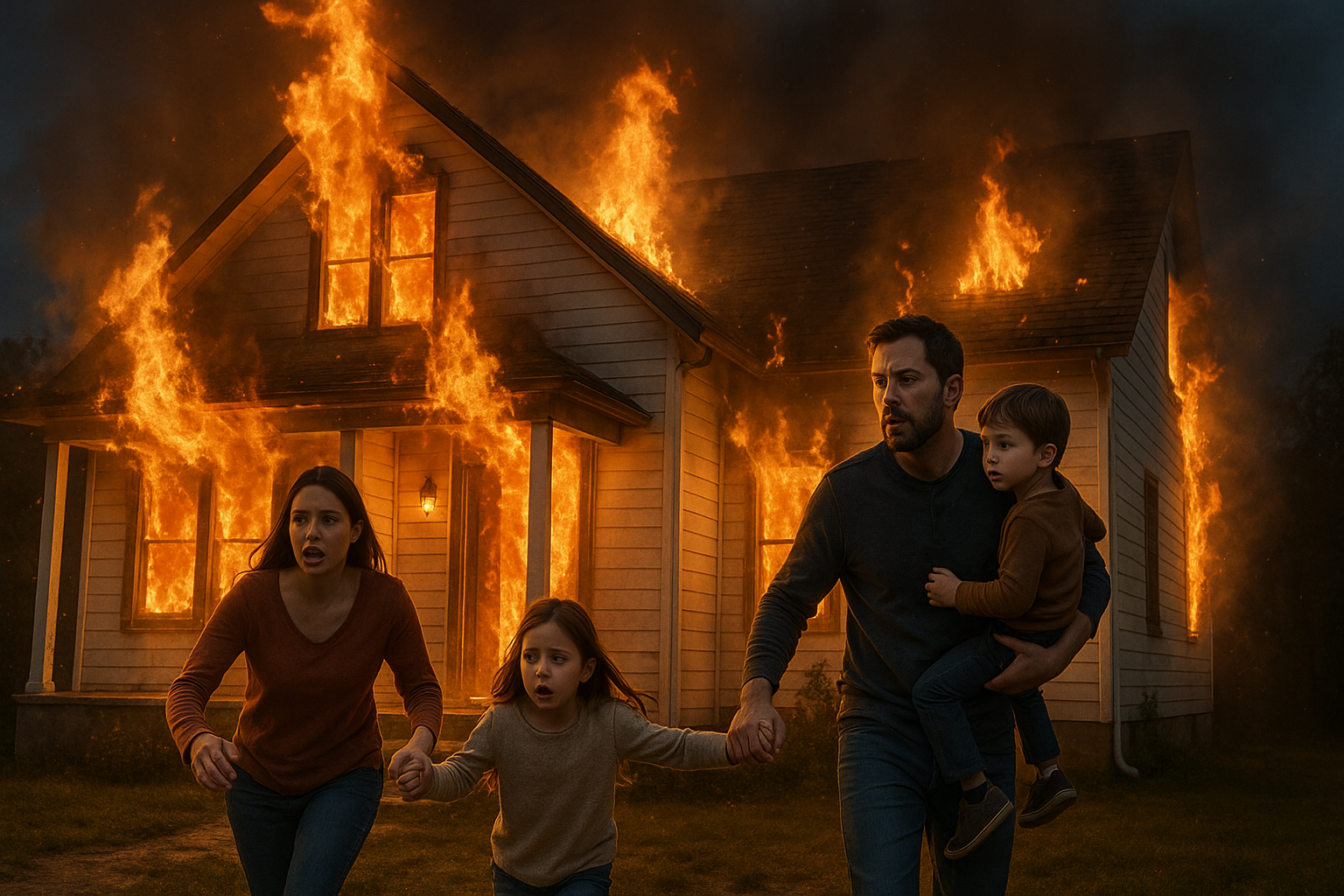
When most people think of survival, they picture camping skills or wilderness emergencies. But the most likely survival scenario you and your family will face is a fire in your own home. Fires spread fast, and without a plan, panic takes over and can quickly lead to tragedy.
A simple fire drill changes that. Teaching your family exactly what to do, and practicing it until it’s second nature, is one of the easiest, most practical steps you can take to protect them.
Why Fire Drills Matter
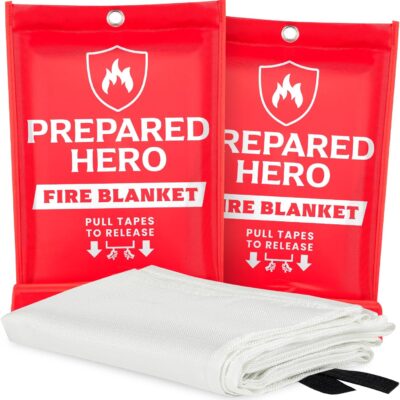
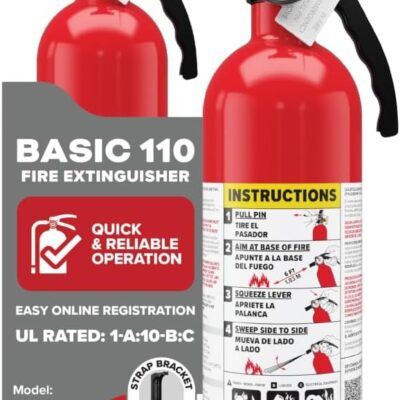
First and foremost, all families should make it a point to learn fire safety in and around the house, as well as how to operate fire extinguishers or douse / smother different types of small fires before they become something more. More about fire safety and tools here!
House fires don’t give you time to think. Smoke fills the room, alarms blare, and every second matters. Kids especially need practice because fear makes it hard to act. When they’ve drilled it before, they can follow a routine instead of freezing.
A fire drill:
- Cuts evacuation time dramatically.
- Builds confidence in children and reduces panic.
- Reveals weak spots in your home safety plan.
- Creates an automatic response reaction in the face of chaos.
If you want the simplest survival skill that saves lives, this is it.
Step 1: Map Your Escape Routes
Start by drawing a simple floor plan of your house. Mark at least two exits per room. These are usually a door and a window.
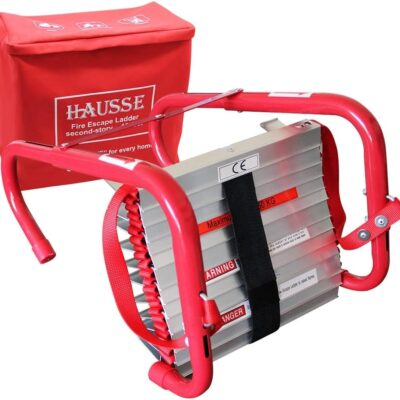
Show kids how to unlock windows and where to find ladders if you keep them upstairs. Finally, pick a meeting point outside. It can be a tree, mailbox, or a trusted neighbor’s house. Everyone should know that spot by heart.
👉 Pro tip: Don’t just draw it. Walk your family through the house and to the meeting point; pointing out every possible exit.
Step 2: Assign Roles
A plan works better when everyone knows their job. Examples:
- Parents check bedrooms.
- Older kids guide younger siblings.
- One adult grabs the emergency go-bag if it’s close and safe. A hub for house and car keys, wallets, and go bags is a good idea. This is not when you want to be wasting time wondering where things are.
No one’s role should ever involve fighting the fire. The goal is always the same: get out fast. Only once everyone is safe and at the meeting spot can an adult or older child call 911 and one adult can attempt to fight flames from the outside. NEVER RE-ENTER THE BURNING BUILDING. Keep fire extinguishers and water hoses accessible from the outside. We keep several inside and one in each vehicle.
Step 3: Practice the Drill
Run the drill at least twice a year. At first, keep it basic:
- Sound the alarm.
- Everyone exits by their planned routes.
- Meet at the designated spot.
- Do a headcount.
Once the basics feel automatic, make it more realistic:
- Run the drill at night. Kids react differently when half-asleep.
- Pretend one exit is blocked. Force the use of the backup route.
- Practice crawling low to avoid “smoke.”
Repetition is what makes it stick.
Step 4: Teach Kids the Essentials
Kids learn fast when they repeat simple rules. Focus on:
- Stop, drop, and roll if clothes catch fire.
- Never hide under beds or in closets. ALWAYS GO OUTSIDE.
- Leave everything behind. Toys and even pets can be replaced; people can’t.
- Call 911 once everyone is safe and be sure to know the address. A good skill to have in general is to always know the address or cross streets where you are. In case of an emergency it will always be the first thing 911 dispatch needs to get emergency services to you.
The clearer the rules, the calmer the reaction.
Step 5: Review and Improve
Every drill is a test run. After it’s over, ask questions like:
- Did everyone get out quickly?
- Did anyone forget their route?
- Was the meeting spot clear?
- Were there bottlenecks or confusion?
Update your plan and run it again until it’s smooth.
The Family Fire Drill Checklist
Want something simple to keep on hand? We’ve put together a printable checklist you can hang on the fridge and use to guide your drills.
👉 [Download the Family Fire Drill Checklist PDF]
You don’t need fancy gear or a bunker to keep your family safe. Sometimes survival starts in your living room with a practice drill.
If you do one preparedness task this week, make it this. Your kids will gain confidence, your home and family will be safer, and you’ll know that if the unthinkable happens, you’re ready.
Fire Drill Checklist
Send download link to: